

Quality and Detail:
DTG Printing: DTG printing excels in reproducing intricate designs, gradients, and photographs with exceptional detail and color accuracy. The fabric directly absorbs the ink, resulting in a soft and vibrant print that retains fine details.
Screen Printing: Screen printing is known for its vibrant and opaque prints, especially for solid colors and bold graphics. However, achieving fine details and complex designs may be more challenging compared to DTG printing.


Color Options:
DTG Printing: DTG printing offers a wide range of color options, allowing you to reproduce complex designs with multiple colors effortlessly. It can accurately reproduce gradients and intricate color schemes.
Screen Printing: Screen printing also provides a broad range of color options, especially for solid colors. However, blending colors and achieving intricate color gradients may require additional screens and expertise.
Production Time and Fabric Compatibility:
DTG Printing: DTG printing is ideal for smaller print runs and on-demand production. With minimal setup requirements, it offers quicker turnaround times compared to screen printing. This makes it suitable for personalized or custom orders.
Screen Printing: Screen printing is efficient for larger production runs, as the setup costs can be spread across multiple prints. However, the process of creating screens and aligning them for each color can increase production time, making it more suitable for bulk orders. 
Choosing between DTG printing and screen printing depends on your specific needs and requirements. DTG printing excels in reproducing intricate designs and offers a wide range of color options, making it ideal for smaller print runs and personalized orders. On the other hand, screen printing is efficient for larger production runs and delivers vibrant, opaque prints. Consider factors such as design complexity, color requirements, production volume, and fabric compatibility to determine the best printing method for your custom apparel.
Remember, whether you opt for DTG printing or screen printing, partnering with a reputable printing service will ensure high-quality results and customer satisfaction. Choose wisely and bring your custom designs to life on apparel that makes a statement.


 16,000 meters per day! PO-TRY 36-head dye sublimation r "Speed King" makes its global debut at ITMA Shanghai
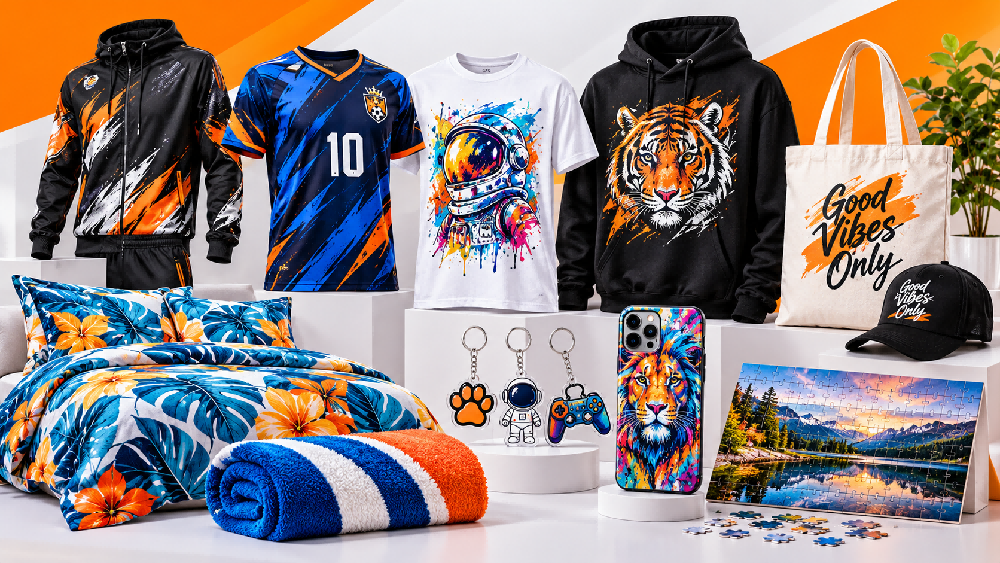 POD(Print On Demand) Complete Solution
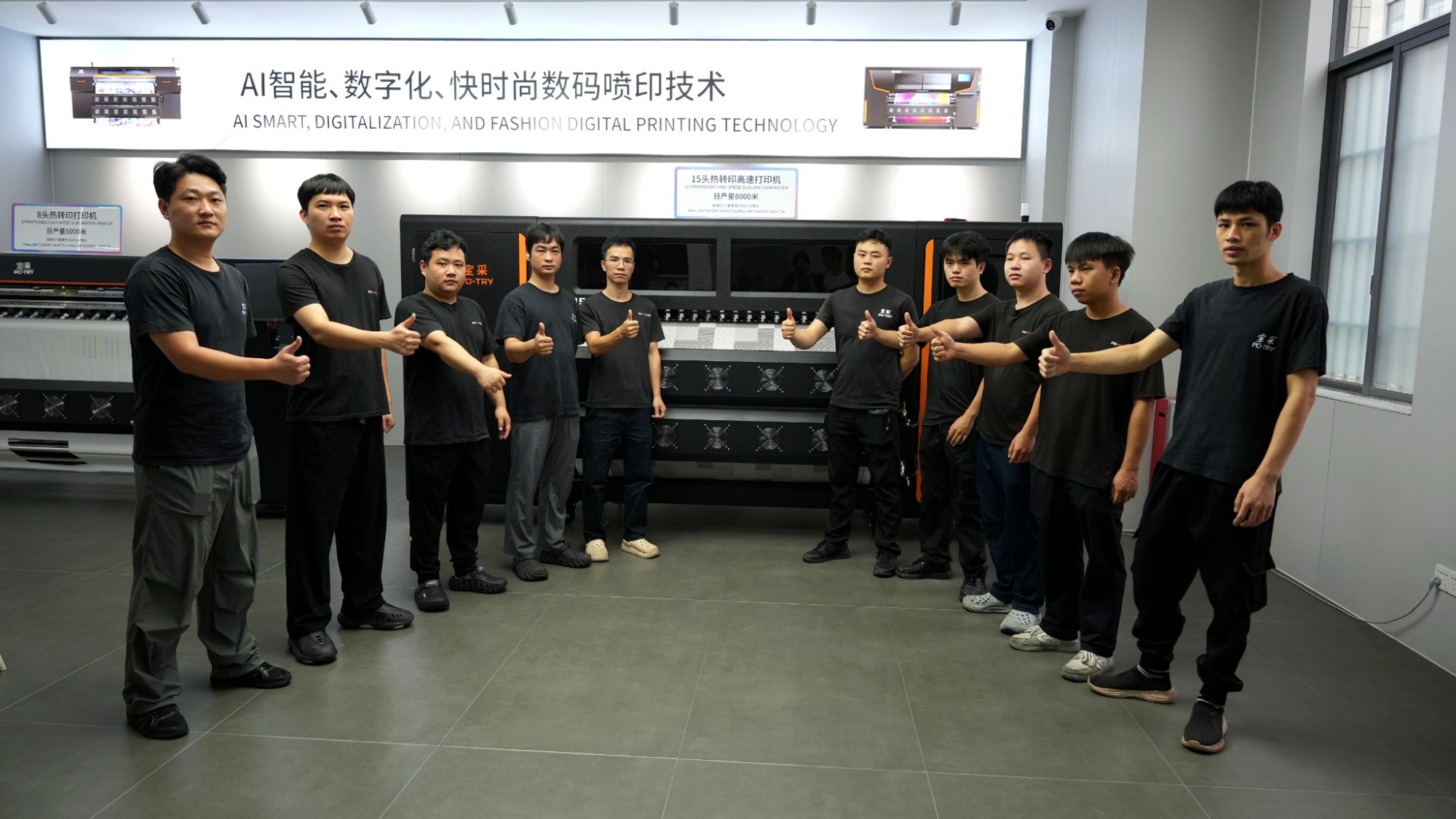 PO-TRY After-Sales Service Overview- DTF, Sublimation printer
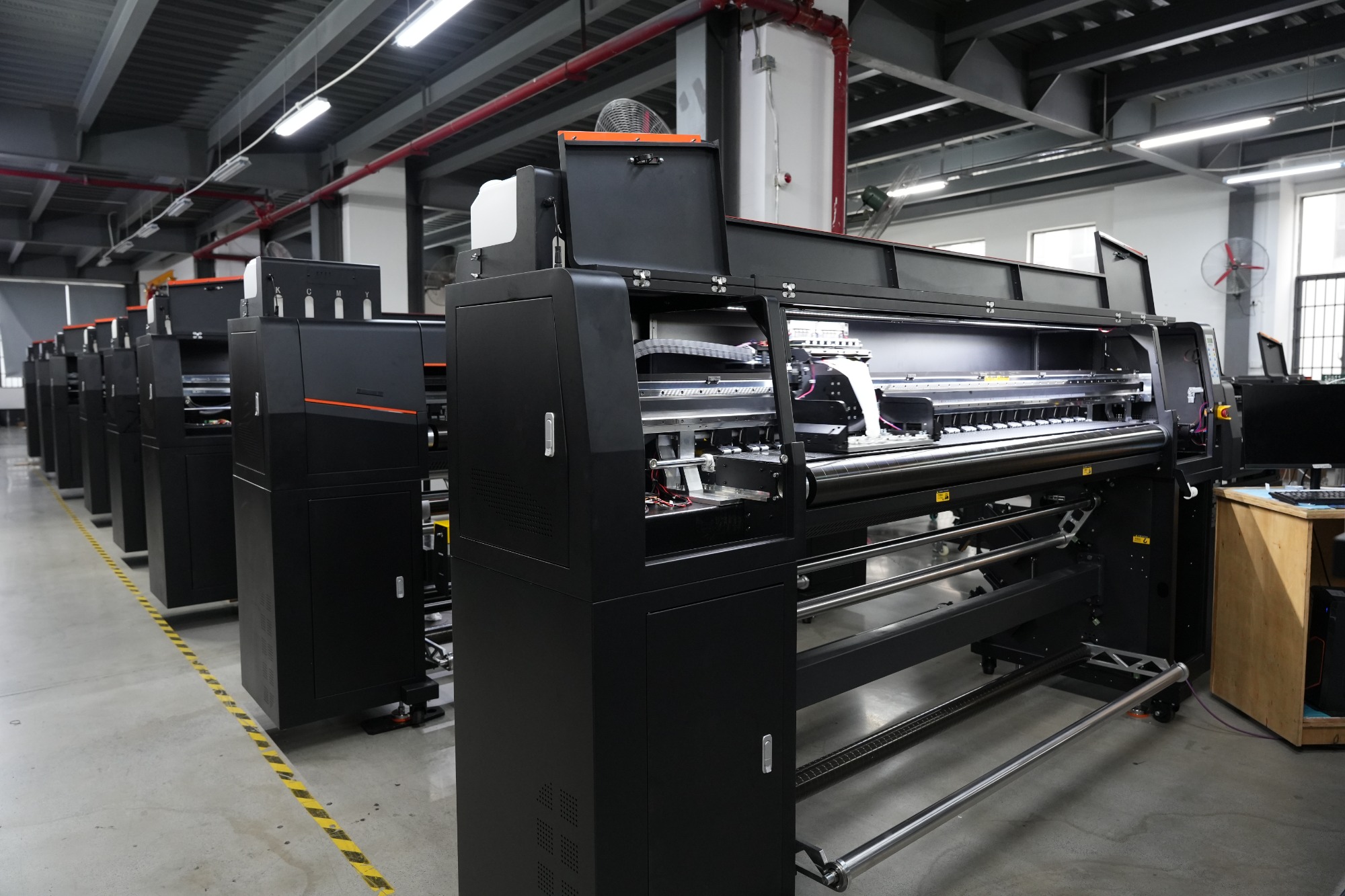 Industrial Textile Sublimation Printer: Buying and Maintenance Guide
