
Working Principle of DTF Printing:Exhaustive Analysis for DTF Beginner | PO-TRY
We use cookies to improve your online experience. By continuing browsing this website, we assume you agree our use of cookies.

Understanding the Working Principle of DTF Printing:Exhaustive Principle Analysis for DTF Beginner

Views : 3303
Update time : 2023-03-01 15:11:00
Understanding the Working Principle of DTF Printing: Exhaustive Principle Analysis for DTF Beginner

DTF (Direct-to-Film) printing has revolutionized the textile industry by enabling vibrant and detailed prints on various fabrics. This section delves into the intricate working principle of DTF printing, from printing the design onto the film to transferring it onto the fabric, ensuring long-lasting and visually stunning results. Enhancing Fashion Textile Printing with Cutting-Edge DTF Printers

DTF Printing Process: From Design to Fabric

The Future of DTF

Design Preparation:
The first step in the DTF printing process is to prepare the design digitally. This can be done using graphic design software or by obtaining design files from clients or online sources. The design is then resized, adjusted, or modified to fit the desired print area.
Printing on Transfer Film:
Once the design is finalized, it is printed onto a dedicated transfer film using a DTF printer. The printer deposits a layer of adhesive ink or powder onto the film, following the contours of the design. The adhesive ensures that the ink adheres securely to the fabric during the transfer process.
Film Lamination:
After printing, a transparent heat-resistant adhesive film is applied to the printed design. This lamination process protects the ink and enhances its adhesion to the fabric during the transfer. 5 Things to Know About DTF Technology
Transfer to Fabric:
The prepared transfer film is carefully aligned and placed on top of the fabric, with the inked side facing downward. Heat and pressure are applied using a heat press machine or a dedicated DTF transfer machine. The combination of heat and pressure causes the ink to sublimate from the film, penetrate the fabric, and bond permanently with the fibers.
Cooling and Peeling:
Once the transfer process is complete, the fabric is allowed to cool down. This cooling period allows the ink to fully bond with the fabric fibers, ensuring durability and color fastness. After cooling, the transfer film is carefully peeled off, leaving behind a vibrant and detailed design on the fabric. Q&A about DTF Printer
DTF printing employs a meticulous process, involving the printing of the design onto a dedicated transfer film and its subsequent transfer onto the fabric using heat and pressure. By understanding the intricate working principle of DTF printing, businesses, and individuals can harness its capabilities to create stunning and durable prints on various textile materials.

How to start a business with a DTF printer-Preparation

How to start a Printing Business and Own Brand with a DTF printer.


Related News
Read More >>
16,000 meters per day! PO-TRY 36-head dye sublimation r "Speed ​​King" makes its global debut at ITMA Shanghai 16,000 meters per day! PO-TRY 36-head dye sublimation r "Speed ​​King" makes its global debut at ITMA Shanghai
Nov .21.2026
PO‑TRY launches its new 36‑head dye sublimation speed king printer with daily output up to 16000 meters, making global debut at ITMA Shanghai. Learn its high‑speed, stable industrial sublimation printing performance for textile & apparel mass‑production.
POD(Print On Demand) Complete Solution POD(Print On Demand) Complete Solution
Nov .05.2026
This document presents production solutions covering industrial DTF printing, textile sublimation printing and supporting equipment. It helps enterprises build flexible, efficient and scalable POD(Print On Demand) production systems based on product types, order volume and manufacturing requirements.
PO-TRY After-Sales Service Overview- DTF, Sublimation printer PO-TRY After-Sales Service Overview- DTF, Sublimation printer
Nov .02.2026
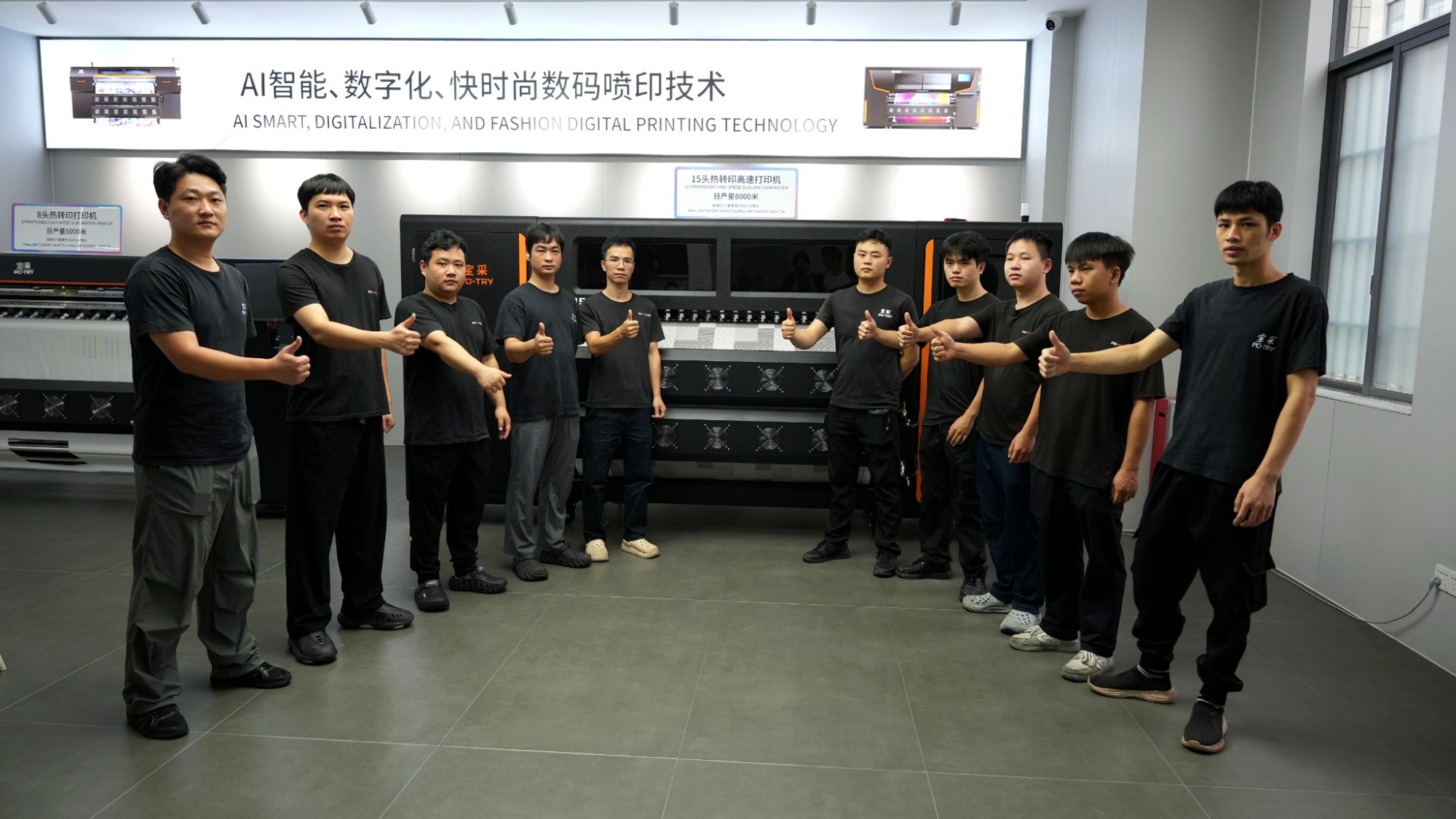
We currently have local technical teams based in the United States and Brazil, providing more convenient support for local customers. For other overseas markets, we can also arrange engineers for on-site service when needed, bringing professional support directly to customers’ production sites.
Industrial Textile Sublimation Printer: Buying and Maintenance Guide Industrial Textile Sublimation Printer: Buying and Maintenance Guide
Oct .21.2026
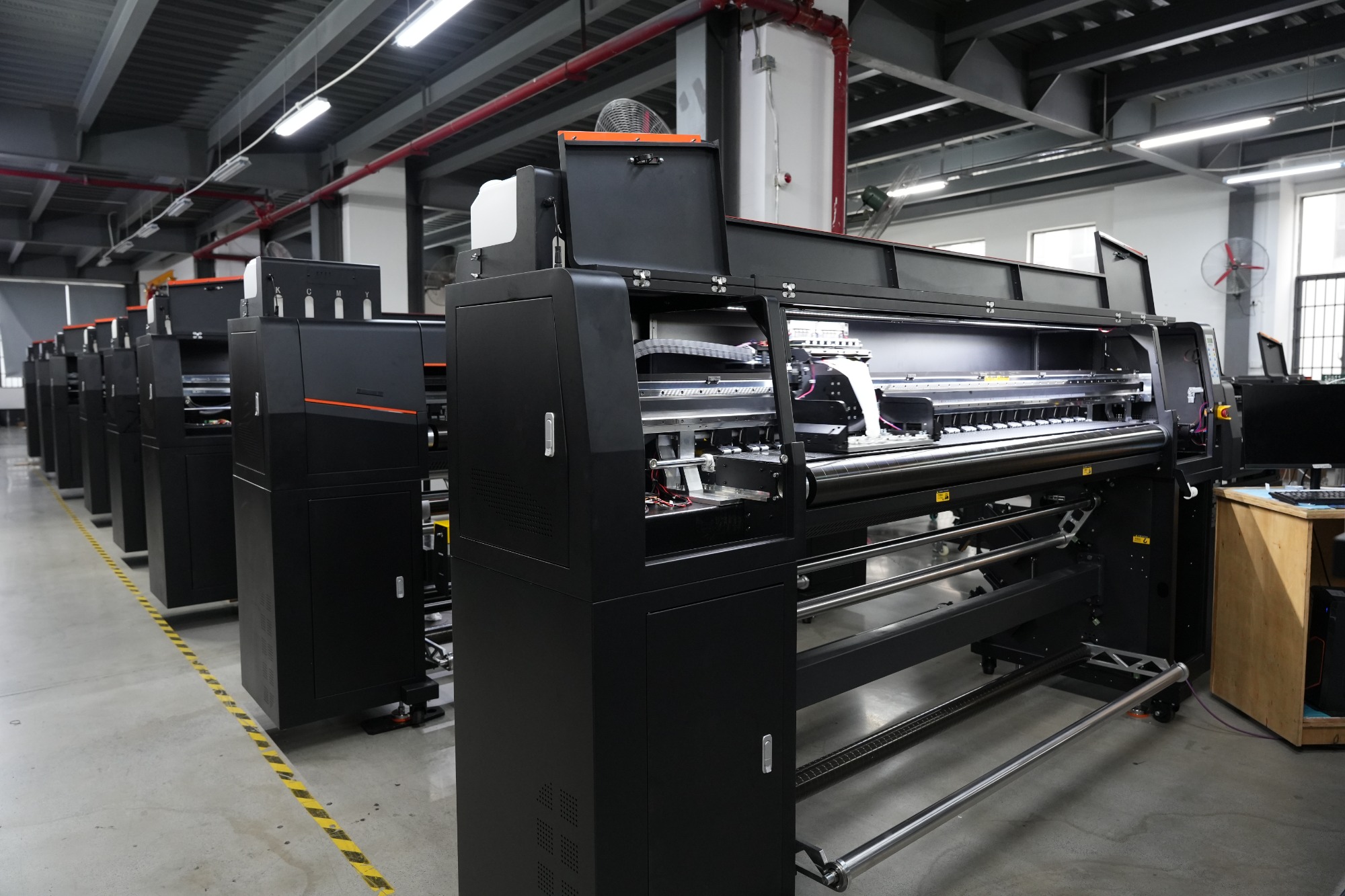
As the market grows, choosing the right equipment is becoming more challenging. Specifications and after-sales capabilities vary widely between brands. This guide explains how to choose equipment that fits your needs instead of paying for performance you will not use.

