
North Carolina State University, Gaston College, and Catawba Valley Community College have signed a Memorandum of Understanding (MOU) with Honduras-based Central American University of Science and Technology (UNITEC) that will launch a series of educational workforce development initiatives, including Undergraduate and postgraduate degree certificate programs in training and textile-related fields of study.
Senior U.S. and Honduras government officials, including: Jose W. Fernandez, Undersecretary of State for Economic Growth, Energy, and the Environment; Jennifer Knight, Deputy Assistant Secretary for Textiles, Consumer Products, and Materials at the U.S. Department of Commerce; President Chiomara Custer of Honduras Luo's private secretary, Hector Zelaya, participated in a roundtable discussion with textile executives and education leaders and the signing of the MoU.
The partnership comes at a defining moment for the United States, Honduras and Central America, where a global supply chain crisis has driven sourcing from Asia to the United States and the region.
This year alone, nearly $1 billion in historic textile and apparel investment is expected in the U.S. and Central America. This partnership also creates educational pathways for Honduras and the region to economic opportunities that not only create a skilled and resilient workforce, but also help address the root causes of irregular migration.
Current growth projections suggest that over the next five years, the Honduras textile industry alone will need more than 10,000 new skilled workers. To meet these needs, educational planning is required at all levels.
The U.S. and the region are inextricably linked through a joint textile and apparel production chain under the U.S.-Central America-Dominican Republic Free Trade Agreement (CAFTA-DR), which generates $12.6 billion in two-way trade annually in the industry and supports the U.S. and the region There are 1 million workers. Industry experts say CAFTA is a growing opportunity for the United States.
North Carolina plays a central role in this joint production chain. It is the nation's second-largest textile-employing state with more than 36,000 workers, and the state leads the nation in textile-related exports of $2.7 billion. The Northern Triangle region, which includes Honduras, is a major export destination for U.S. yarns and fabrics, which are returned as finished goods under the US-CAFTA-DR trade agreement.
In early August, a U.S. congressional delegation praised major investments in Honduras' textile and apparel industry, noting that the expansion of Parkdale Mills, Elcatex and SanMar in the country will improve supply chain security by advancing nearshoring and offshoring.
David Hinks, Dean of NC State's School of Textiles, commented: "Together, we will train the next generation of textile workers, leaders and scholars in this critical production chain. These workforce programs will be generated throughout Central America, the region and the United States. A knock-on effect, spurring job growth and more investment, not just in textiles and apparel. Hundreds of industry partners working closely with our Academy are looking to redesign their supply chains, from China to the US and Central America. This new partnership will provide a near-seamless education and training pathway for stronger joint textile and apparel production chains between the U.S. and CAFTA-DR countries, supporting 1.1 million workers together."
Undersecretary Fernandez added: "The United States is very supportive of the academic partnership announced here today, which will increase opportunities for co-production and benefit both the United States and Central America. Investment in the workforce and adherence to strict labor standards and good Labor practices are critical to creating sustainable and resilient supply chains."
"The industry is in a window of opportunity as we work to create more sustainable and resilient global supply chains," said Deputy Assistant Secretary Knight. Innovations created through transparency can differentiate them from their global competitors, and today’s workforce development programs are a key factor in turning that vision into reality. "
Kim Glas, President and CEO of the National Council of Textile Organizations (NCTO), said: “This partnership demonstrates the urgent need to provide education and training programs for the next generation of academics and textile workers to embrace the global sourcing shift that drives production. From Asia to Honduras , the entire CAFTA-DR region, and the U.S. A collaboration of this scale will support our critical co-production chain in the CAFTA-DR region and further strengthen investments in the years ahead. The U.S. and Honduras governments support for this private sector collaboration to It is important. We sincerely thank the State Department for the statement of support and the participation of Deputy Secretary Fernandez, Deputy Assistant Secretary Knight and Secretary Zelaya at today's event. It is important that these efforts are supported and funded to help expand U.S. and Central American textiles and growth opportunities in apparel production. This is an exciting time for our industry.”
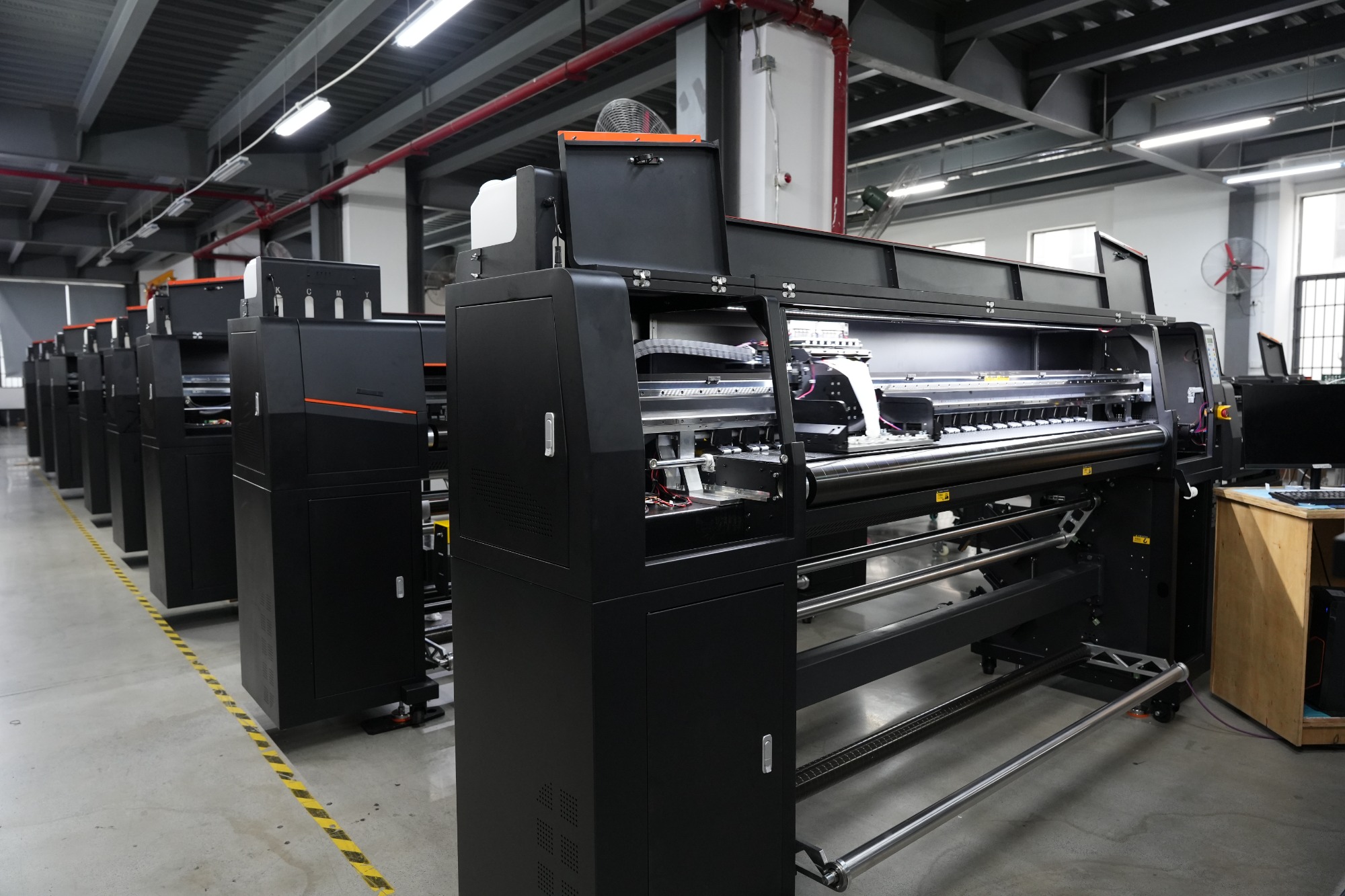
 16,000 meters per day! PO-TRY 36-head dye sublimation r "Speed King" makes its global debut at ITMA Shanghai
 POD(Print On Demand) Complete Solution
 PO-TRY After-Sales Service Overview- DTF, Sublimation printer
 Industrial Textile Sublimation Printer: Buying and Maintenance Guide
