
In general, the most commonly used clothing printing can be divided into the following categories. There are screen printing, DTF printing, sublimation printing, and inkjet(DTG) printing. Each of these printing methods has disadvantages and advantages.
screen printing
Suitable for mass production; feel is not as soft as inkjet(DTG) products; the color can not be too much, and needs toning;
Effects such as color gradation cannot be reflected; screen printing products are usually not breathable.DTF printing
No need for plate making, one can print;
The image is realistic and can be close to the photo effect;
It feels hard and not breathable.
sublimation printing
The product has good air permeability and feels good;
The sublimation transfer ink is professional, and the heating time and pressure are relatively long;
Fixation and color effects are the worst of all transfer technologies;
It is suitable for customers who have high requirements for wearing comfort and low requirements for color gorgeousness.
Many designers don't know the difference between DTF and sublimation. In fact, there are three main ones:
1. Time and temperature
DTF heat transfer takes 10 seconds at 150 degrees, while sublimation heat transfer takes 25 seconds at 220 degrees.
2. Feel
The DTF heat transfer pattern is covered on the fabric, so it will feel airtight and hard to the touch. The sublimation is the sublimation of the pattern into the fabric, so it feels no different from the fabric.
3. Fabric
DTF printing is suitable for transferring to cotton, knitted, non-woven fabrics, luggage, and other fabrics. Sublimation is only suitable for ironing on light-colored (usually white) chemical fiber fabrics (mainly polyester).
Inkjet printing (DTG in the designer's mouth)
The image is realistic and can be close to the photo effect; good air permeability, soft hand feel, rich colors, and the gradient effect can be perfectly reflected; dark and light colors can be printed, and the color fixation is good (especially for fabrics containing more than 50% cotton); Solve the most difficult cotton printing in the textile industry. But the unit price is higher than the above printing types.



 16,000 meters per day! PO-TRY 36-head dye sublimation r "Speed King" makes its global debut at ITMA Shanghai
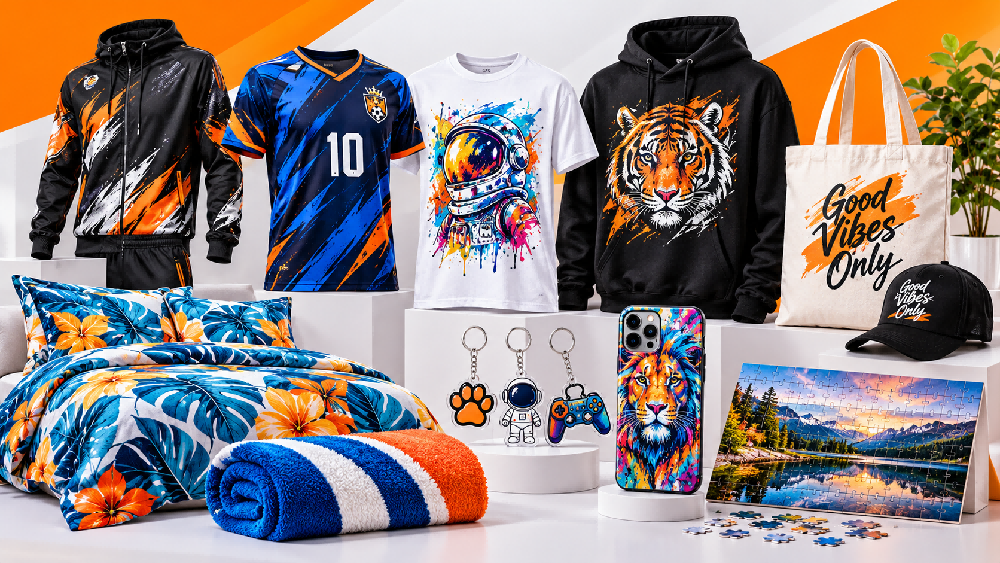 POD(Print On Demand) Complete Solution
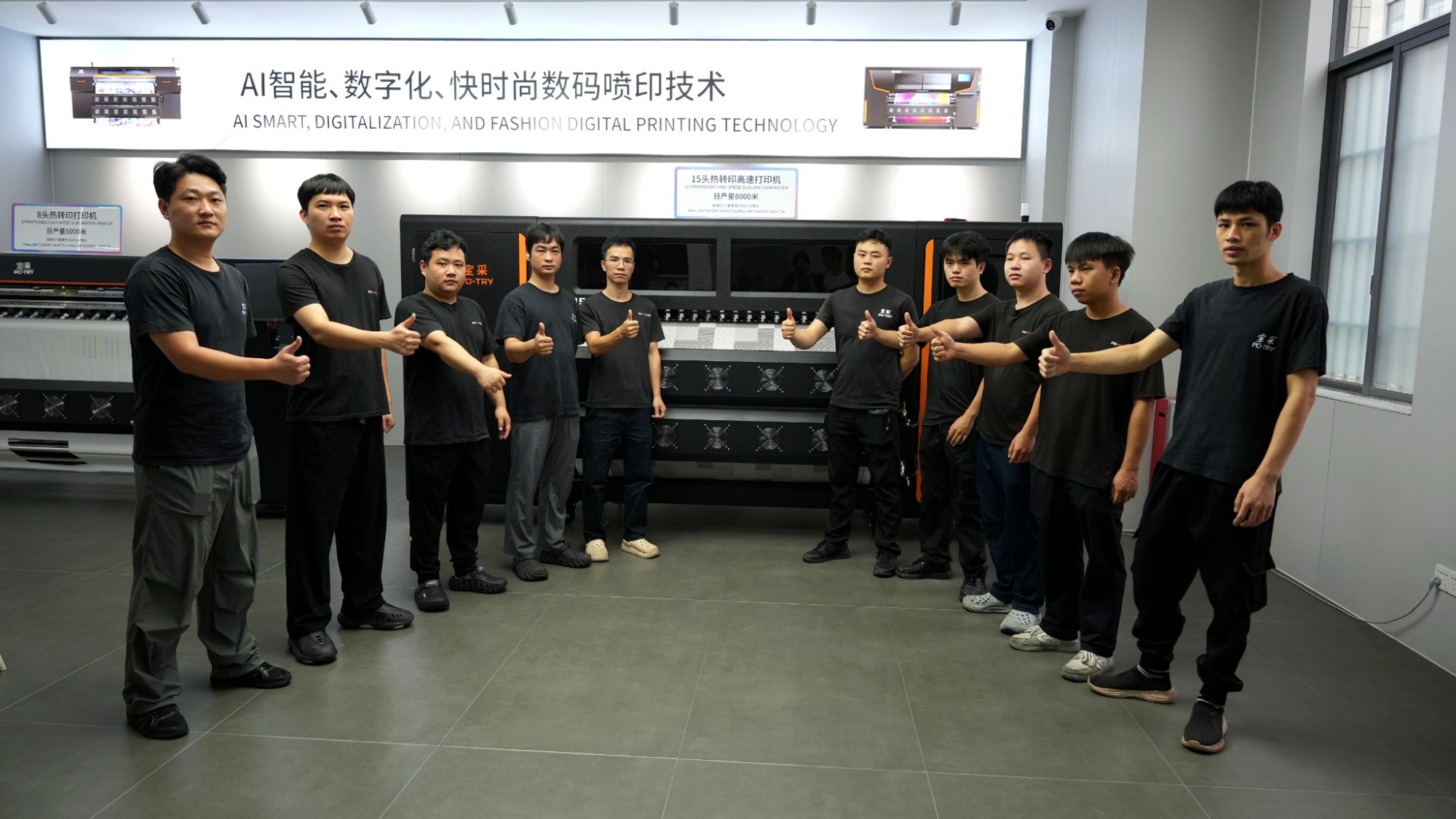 PO-TRY After-Sales Service Overview- DTF, Sublimation printer
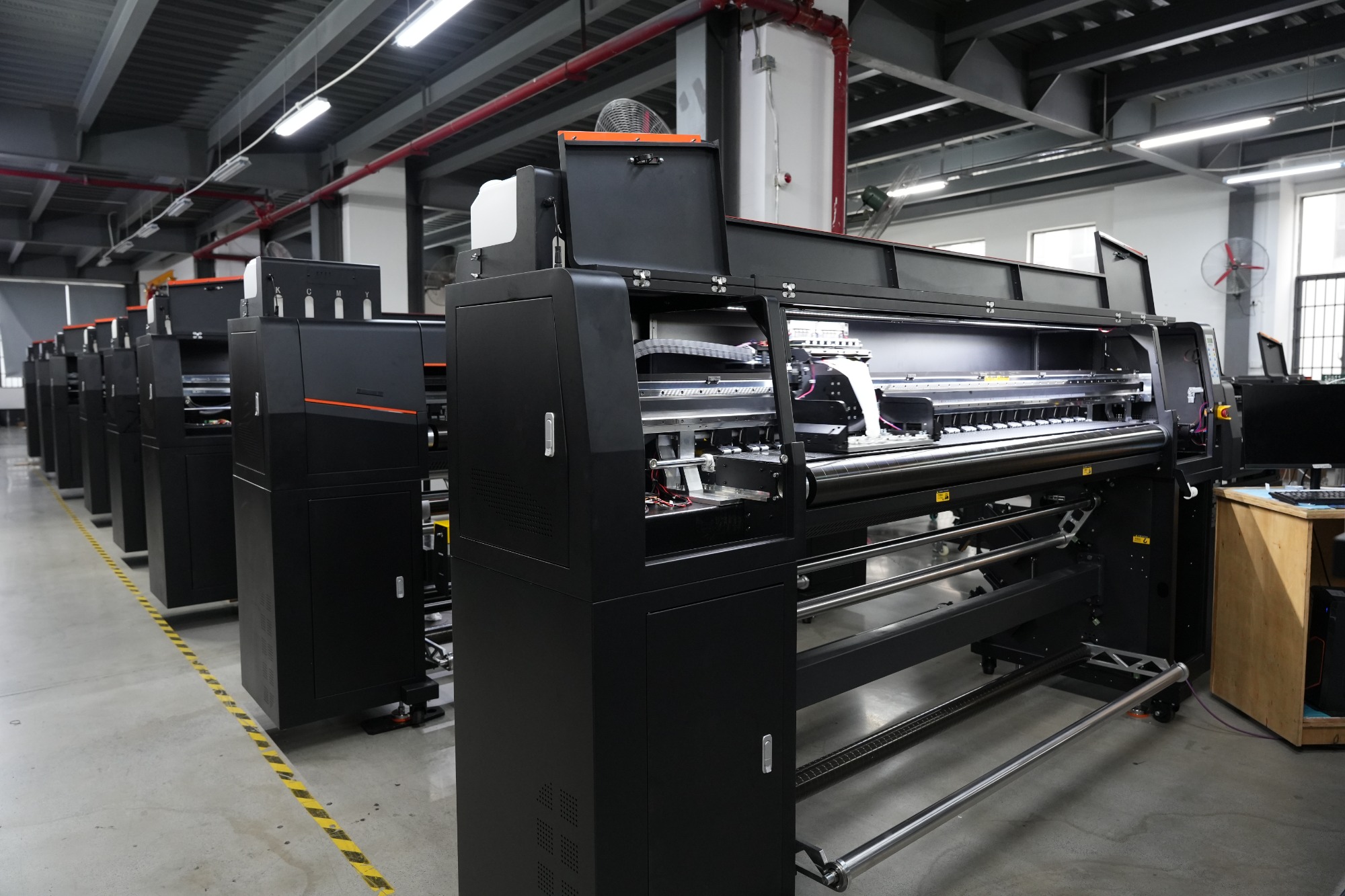 Industrial Textile Sublimation Printer: Buying and Maintenance Guide
